
![[Red] SilkSilky-UK Long Sleeve Lapel Collar Women's Shirt 001](http://uk.silksilky.com/cdn/shop/files/1070058201_bcdd1d5d-fc9a-4a2e-b1d7-573f9552ffe5.jpg?v=1791457024&width=1200)
![[Red] SilkSilky-UK Long Sleeve Lapel Collar Women's Shirt 002](http://uk.silksilky.com/cdn/shop/files/1417626850_ac4a7fb8-c5d1-4262-b091-3767692ac165.jpg?v=1791457025&width=1200)
![[Pink] SilkSilky-UK Spaghetti Strap V Neck Nightdress 001](http://uk.silksilky.com/cdn/shop/files/01f17160f8e04cb0820fb6f48212e731_afce3891-4a96-4056-ba9b-b32ded2cda79.jpg?v=1787906738&width=1200)
![[Pink] SilkSilky-UK Spaghetti Strap V Neck Nightdress 002](http://uk.silksilky.com/cdn/shop/files/77101f867782a1e2528805babc28e706.jpg?v=1787906738&width=1200)
![[White] SilkSilky-UK Pillowcase 001](http://uk.silksilky.com/cdn/shop/files/374412fbffe716687bd60039f8832541_53fd7abc-8e03-4556-8c81-022f6c9418a3.jpg?v=1759058836&width=1200)
![[White] SilkSilky-UK Pillowcase 002](http://uk.silksilky.com/cdn/shop/files/29df5c1c617c418097c58f5e6ba14c65_9c2bc8d2-022d-412c-bb34-16de1a284418.jpg?v=1759058847&width=1200)
![[P108] SilkSilky-UK Scarf 001](http://uk.silksilky.com/cdn/shop/files/99f591df66bbf0446a5acebe07591c15.jpg?v=1792047073&width=1500)
![[P108] SilkSilky-UK Scarf 002](http://uk.silksilky.com/cdn/shop/files/15b35d6e3b189cd75cab0aabb1ad126e.jpg?v=1792047115&width=1500)
![[Navy Cheetah] SilkSilky-UK Short Sleeve Notch Collar Women's Pyjamas 001](http://uk.silksilky.com/cdn/shop/files/893f6a98c1f0ad77e29996e3617d84a8_f10b6379-72e5-44be-99d8-d6fcf14fe62e.jpg?v=1792379009&width=2000)
![[Navy Cheetah] SilkSilky-UK Short Sleeve Notch Collar Women's Pyjamas 002](http://uk.silksilky.com/cdn/shop/files/b9e4b532ec650ef5f65fecfcb4669f2f_a0b383fd-0c5c-4e3d-be16-2124412a3b86.jpg?v=1792379009&width=2000)
WASHING TAG INSTRUCTIONS EXPLAINED
The picture below is one of our product's washing tag. Here set a suspense. The clues are in the article. After finding the clues, you can answer in the comment area to see who can get A+.

If your favourite product is starting to look a bit worse for wear and it’s time to put it in the wash, there’s one golden rule to follow: always check your garment’s care labels and instructions to help preserve the life-span of your product.
You’ve bought it, bagged it, worn it and now it’s time to wash it. Whilst many people assume wool must be hand-washed or dry-cleaned, many piece of wool clothing can actually be put in the washing machine and even in the tumble dryer too. Here, we explain washing instructions and what laundry care claims mean.
40°C (or 30°C) very mild wash
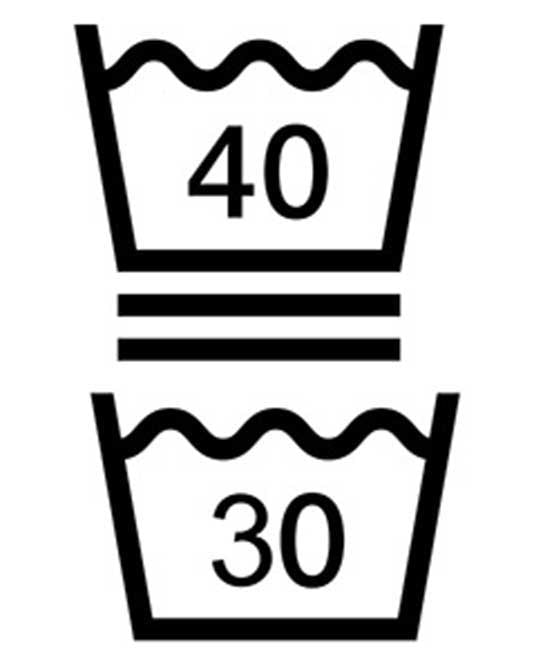
Machine-washable wool. This washing cycle ensures a much reduced mechanical treatment. Reduce the quantity of laundry in the washing machine. The drum should be not more than one-third full. It’s best to use a cycle for wool or delicates for these garments.
Hand wash
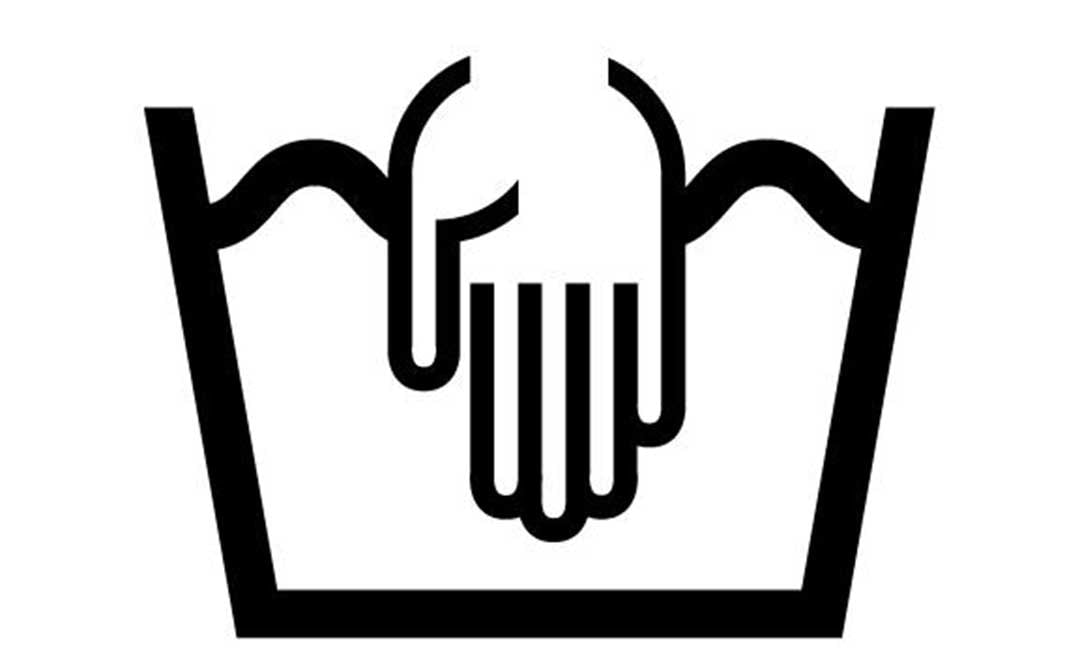
Hand wash at a water temperature between 30°C and a maximum of 40°C, depending on the particular article. First dissolve a fine wool detergent in plenty of water. Allow the clothes to float in the solution and agitate carefully. Do not rub, pull and wring out. Then rinse the clothing well and press the superfluous water out carefully before pulling the item into shape. Treat coloured and sensitive pieces rapidly and do not leave lying in the wet state.
Do not wash
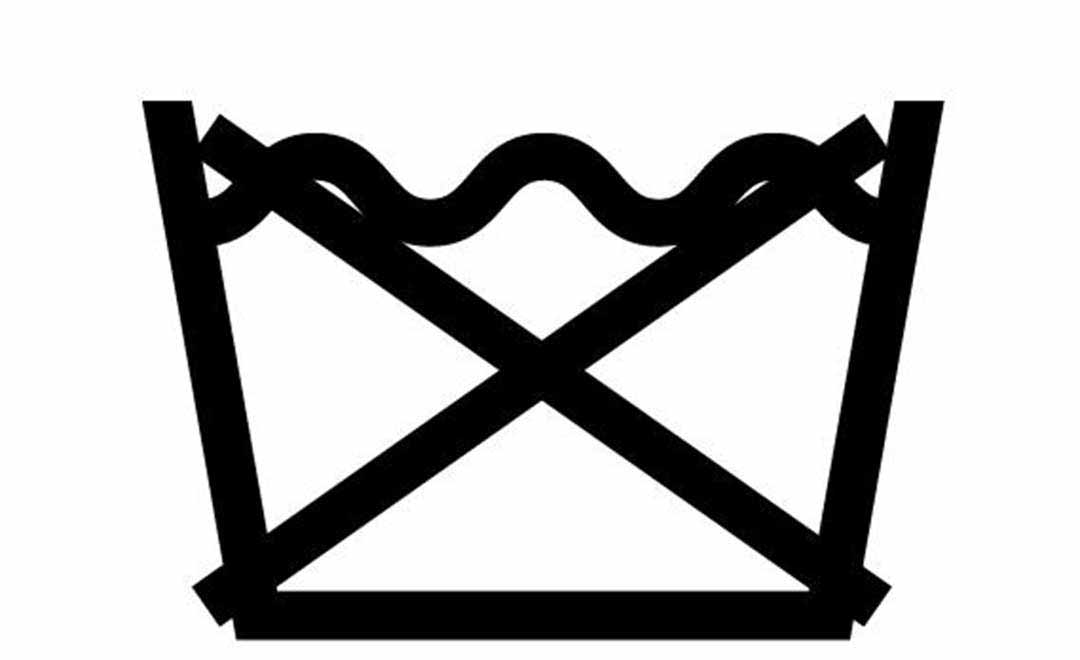
Articles marked with a Do Not Wash claim must not be washed. They may be sensitive to any kind of wet treatment or be unsuitable for washing in a domestic washing machine because of their size.
Do not bleach
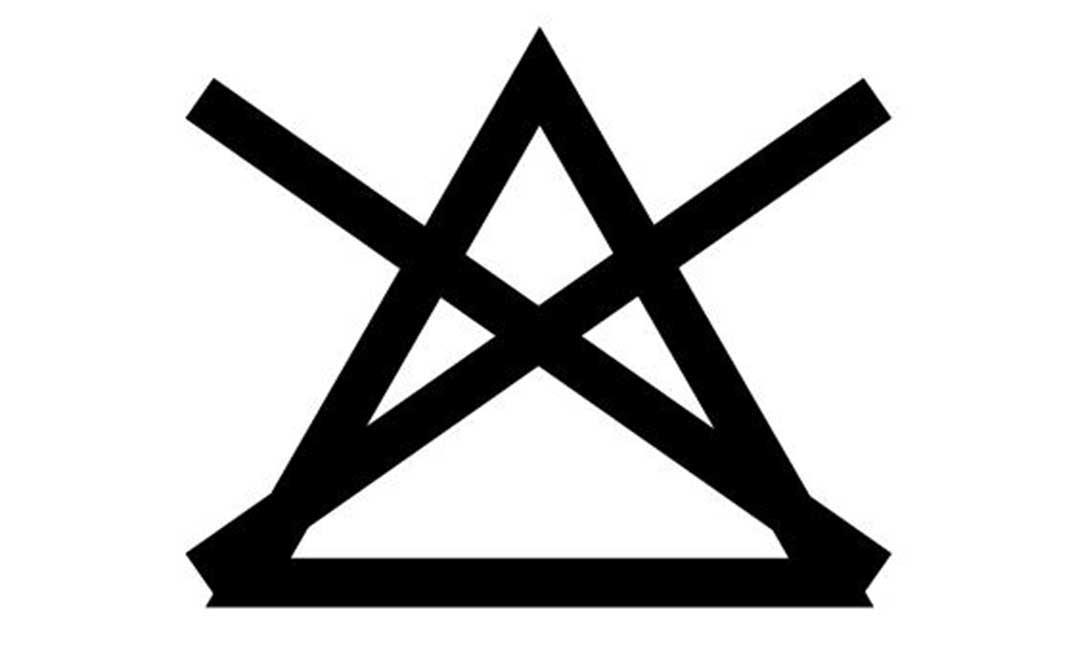
The triangle with a diagonal cross (St. Andrews Cross) indicates that bleaching is not allowed. Use only bleach-free detergent.
Do not tumble dry
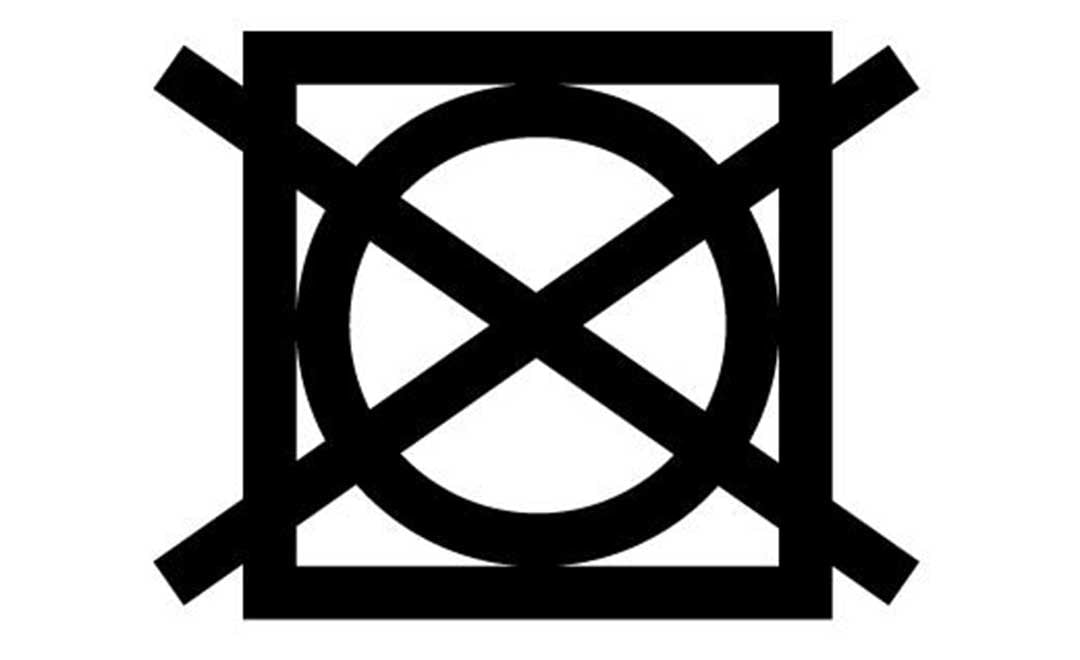
Clothes with the claim Do Not Tumble Dry must not be places in a clothes dryer. Doing so may cause shrinkage.
Mild drying process
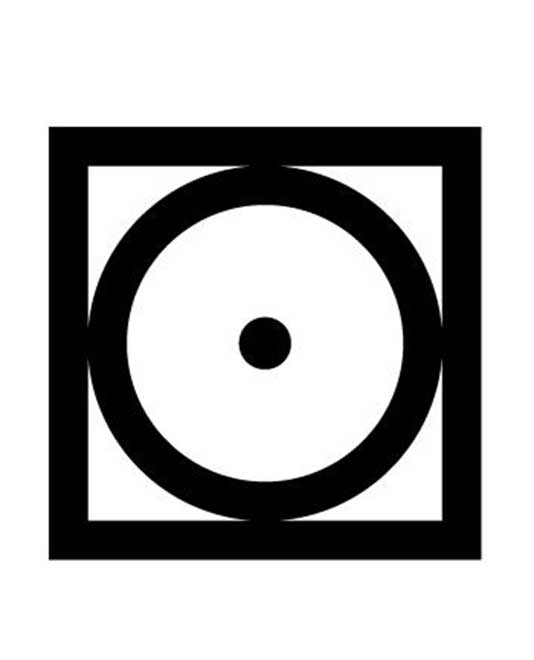
Caution is appropriate when tumble drying. Select a mild process with reduced thermal action temperature and short duration of treatment.
Iron at moderate temperature
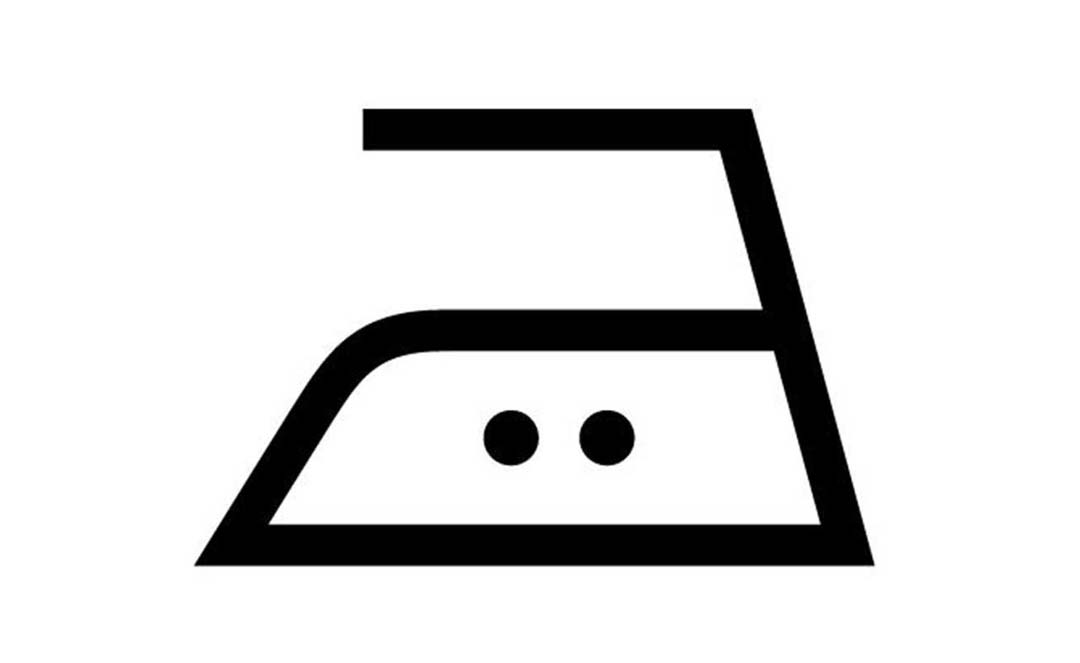
Iron at maximum sole plate temperature of 150°C. Corresponding to the “wool/silk/polyester/viscose” setting: iron under a moderately moist intermediate cloth. A steam iron can be used. Avoid heavy pressure.
Professional dry-cleaning
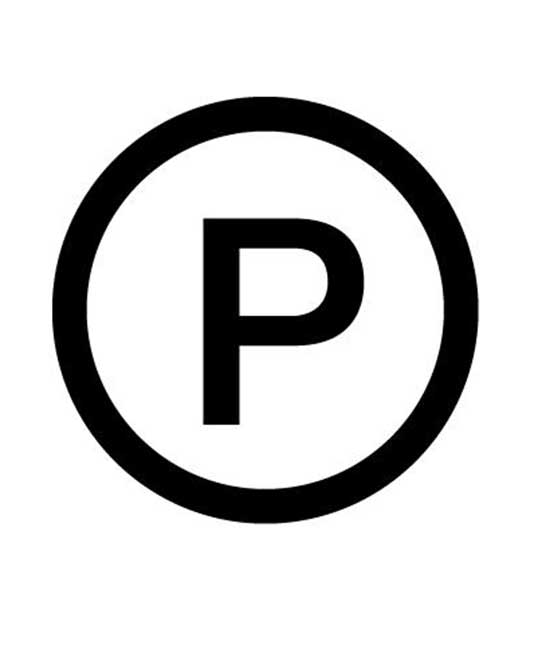
Professional dry-cleaning in perchloroethylene, hydrocarbons (heavy benzines).
Hang to dry in the shade

Air dry. The drying symbol in the form of an empty square stands for air drying. You should hang these laundry items on a clothesline, or lay them out to dry on a flat surface. Dry in shade. The drying symbol with two diagonal lines in the left corner means that your fabric that cannot withstand direct sunlight.
The bollowings are the answers. Do you guess it right?
Do not wash
Do not bleach
Hang to dry in the shade
Iron at moderate temperature
Professional dry-cleaning
Figures are from wikipedia, if you are interested to know more, please let us know.
Related Posts

Silk Pyjamas Buying Guide: How to Choose Pure Silk Sleepwear

Peace Silk vs Ahimsa Silk: Ethical Silk Comparison Guide

Ethical Silk Sleepwear: Sustainable Mulberry Bedding Guide

Best Silk Sheets Guide: Complete Mulberry Silk Bedding Comparison

What Is Momme in Silk Bedding? Complete Weight & Care Guide

Why Is Silk So Expensive? Is Pure Mulberry Silk Worth It?

How to Keep Silk Sheets From Sliding: 5 Simple Solutions
